

Begin with a day that belongs to the city. A journey through Aswan can become a chain of boat transfers and monument visits, leaving very little time for the place in between. Choose one heritage visit, one short walk and a meal with room around it. The useful question is how these parts fit together, rather than how many named sights can fit before dinner.
Aswan’s markets and the Nubian Museum offer different ways of paying attention. One is a working environment where people are shopping and earning a living; the other offers a published, interpreted account of history. Treat them as different experiences, and resist asking either to stand for every aspect of Nubian life.
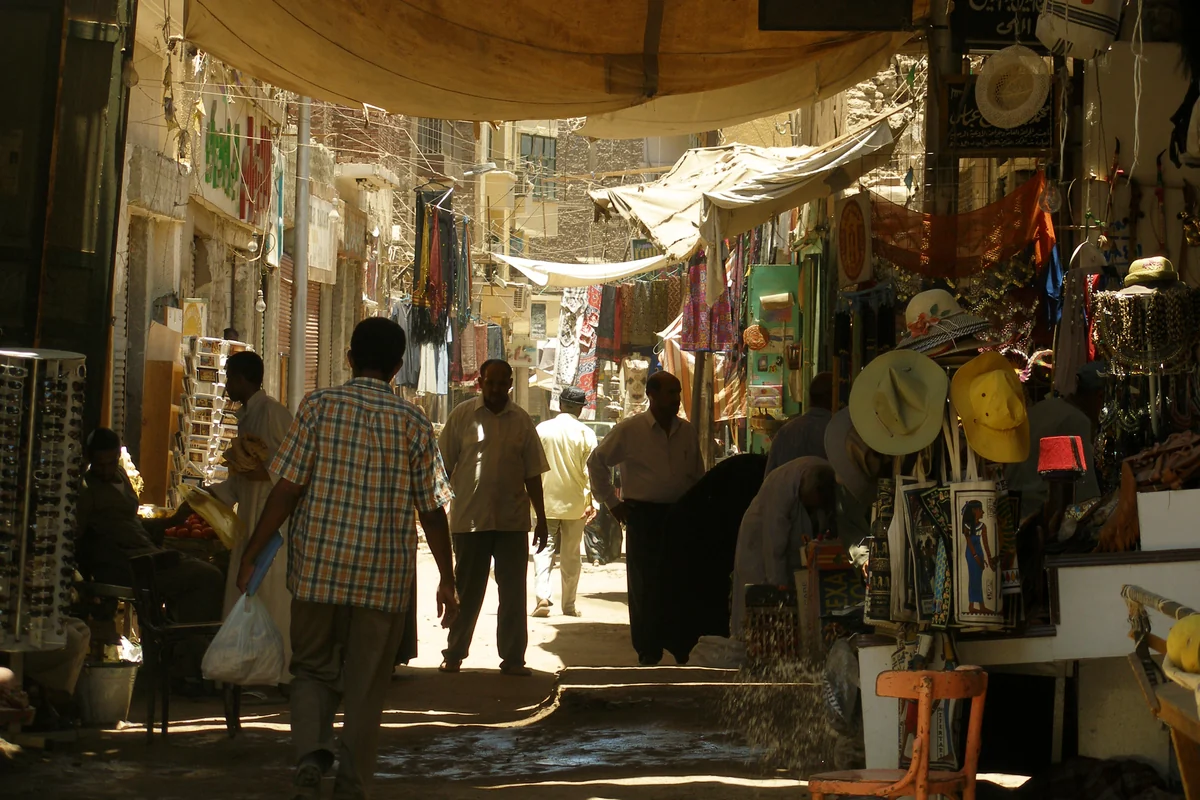
Make the market a walk, not an assignment
Pick a stretch you can enjoy without rushing and keep your meeting point clear. A shopping street is also a route for residents, deliveries and other customers. Step out of the flow when you stop, and ask before making a portrait or a close photograph of someone’s stall. A purchase does not automatically include permission to photograph the person who sold it.
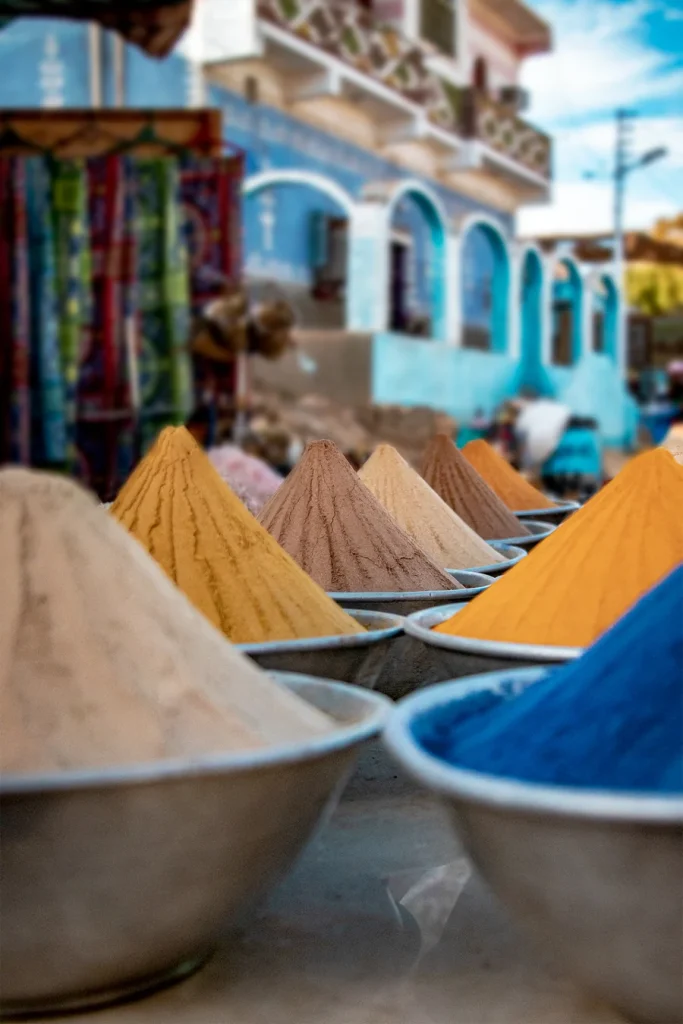
If an ingredient or object interests you, ask what it is, how it is used and who made it. Do not assume that every colourful mound is a spice or that every item on sale was made locally. Discuss the quantity, unit and final price before agreeing to buy. You can ask a question without committing to a purchase, and you can leave a transaction politely if the terms remain unclear.
Let the museum add context
The Ministry of Tourism and Antiquities describes the Nubia Museum as a place for Nubia’s archaeological, historical, cultural and environmental heritage. It opened in 1997, following the international effort to rescue monuments threatened by the Aswan High Dam. The building uses local sandstone and pink granite, giving the visit a material connection with the city outside.
Choose a few objects or displays to read closely. Note the label, period and place rather than treating every object as an illustration of one timeless culture. Museum reconstructions and dioramas are interpretations: they do not replace a contemporary person explaining their own life. Check the museum’s current visitor and photography arrangements before going; a ticket or personal photograph is not blanket permission for commercial use.

Arrange the day around a comfortable pause
Leave a meal or a seated break between the market and museum instead of making them back-to-back obligations. Ask about the dishes actually being served, portion sizes and ingredients that matter to you. A drink often described in Aswan travel material is hibiscus tea, served hot or cold. Let the person preparing it explain their version rather than expecting one standardized experience.
A river view can be a good ending to a city day, but a terrace in a hotel or restaurant is a business space. Confirm whether it welcomes non-residents and what a visit requires. A view mentioned in a guide does not establish public access. If your plan includes a booked outing later, keep the exact departure bank and pickup point separate from the place where you are taking a break.
A flexible order to try
Start with the visit that has the most restrictive opening or admission arrangements. Add a short market walk when it suits your energy and the working day you find there. Leave the final part open for a meal, a return to something you noticed, or simply an earlier finish.
For another day, use the river and island guide to distinguish a simple crossing from a sailing excursion. The aim is to understand one part of Aswan well enough that you can choose the next part deliberately.
Sources and further reading
Place and heritage references checked 13 September 2026. Planning suggestions are our editorial guidance; current admission, transport and opening arrangements should be checked with the venue or operator.